The Grand Check-In / Intelligence for the Curious
● Field Notes   Vol. 02   /   October 2026
Private worlds, inspected room by room

Privacy is becoming
the most expensive suite.

In 2026, ultra-luxury hospitality is no longer only about opening galas and spa menus. Three parallel events have pushed the master key, the building permit, and the old guest list into the center of the lobby at the same time. And trust is the only concierge service that cannot be outsourced.

01 / Disputes

Three Fractures in Luxury Hospitality

Real news first. Allegations stay allegations, rulings stay rulings, and rumors must be labeled. We are not judges—only recorders.

Lead Event · Consumer Court Ruling
A room that could not be locked from inside.
A master key.
Ten seconds.
Udaipur · IndiaSee ruling highlights ↘
The judgment the whole industry should copy ten times over

When an internal SOP collides with a guest's basic right to privacy

In January 2025, a couple checked into The Leela Palace in Udaipur, India, booking a "Lake View Luxury Room" to celebrate their wedding anniversary. According to a ruling by the Chennai Consumer Court on December 16, 2025, a housekeeper used a master key to enter the occupied room within seconds of ringing the doorbell, while the guest was in the bathroom.

The hotel argued this was standard internal operating procedure. The court's response was clear: an internal SOP cannot override a guest's fundamental right to privacy, especially at a five-star hotel charging a premium rate. The hotel was ordered to refund the room charge, pay 1 million rupees in compensation, and cover legal costs. The details of the case—a broken bathroom door, a disabled camera outside, luggage held for hours at checkout—are more worth remembering than the ruling itself.


RuledPrivacy ArchitectureSOP Boundaries
02
Regulatory Report · Structural Issue

A hotel that "should never have existed from the start"

Architectural drawings and a structural diagram for the Milos White Coast permit dispute

The White Coast Hotel on the Greek island of Milos has repeatedly moved in and out of court over its expansion disputes for years. In October 2026, the Greek National Transparency Authority (NTA) concluded in a report that the hotel should never have been granted a building permit from the start: the plot does not adjoin a recognized public road; the building coefficient was miscalculated, adding hundreds of square meters to the approved floor area; permit documents contain numerical contradictions; and approved drawings are even missing from the electronic approval system.

The NTA has called for the permit to be revoked, construction to be halted, and the report referred to prosecutors to investigate possible criminal liability. This is not a service failure in one guest room; it is a structural question about whether luxury can grow outside the rules.

Regulatory FindingPermits & ComplianceAegean Island Development
03
Epicenter of Reputation · The New Weight of Old Documents

When a guest list becomes a liability on the balance sheet

Photo accompanying coverage of Thomas Pritzker and the Epstein files

From late 2025 into early 2026, the U.S. Department of Justice progressively released documents related to the Jeffrey Epstein case. For the hotel industry, the impact is not about booking volume but about the underlying structure of reputation. According to AP, Thomas Pritzker, longtime executive chairman of Hyatt Hotels Corporation, resigned after the documents revealed he had kept in touch with Epstein long after Epstein's 2008 conviction, admitting he had shown "poor judgment."

Industry analysts describe the moment as the "biggest reputational shock in decades" for the global travel ecosystem—not because of a health crisis or a market downturn, but because the intimate relationship between luxury travel and global wealth networks, long left unexamined, was forced into the open.

OccurredReputation GovernanceWealth Networks
Rumor Protocol: Every "dispute" in this section points to a traceable court record, regulatory report, or mainstream media account. "Rumor" refers to claims that are not yet sufficiently verified but continue to circulate; these are clearly labeled and never mixed with facts. Ghost stories are presented purely as cultural folklore, not as supernatural evidence.
02 / Hotel Dossiers

Eight Luxuries, Four Readings

The eight hotels below are not a ranking of "the best," but eight different ways of arguing for luxury. The scores are editorial judgment, based on public positioning, design language, and service philosophy.

Filter by design philosophy. The scores are the newsroom's comparison tool—not official star ratings, not guest-satisfaction statistics, and not booking recommendations. For the two marked "Doubt," see Section 05.

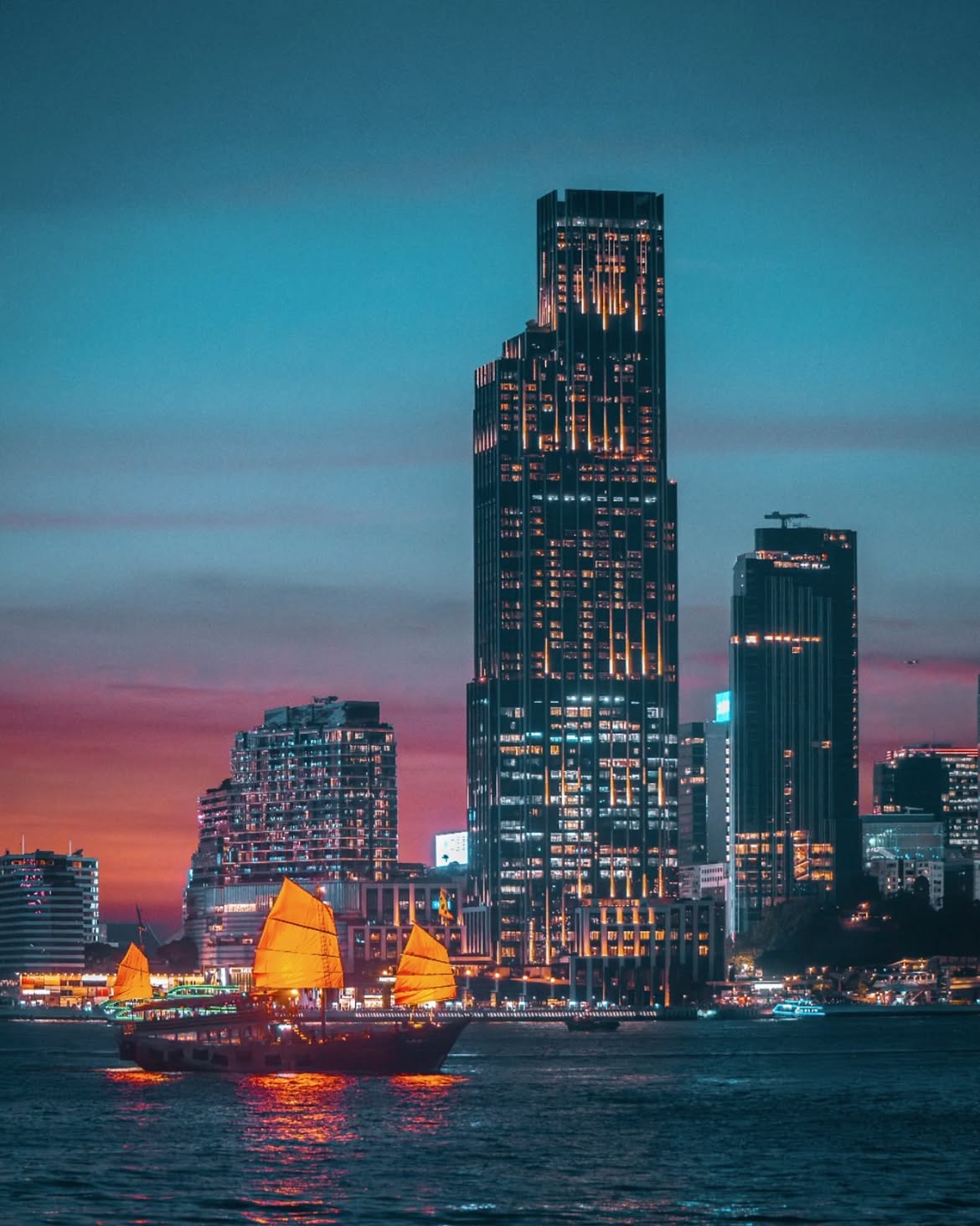
Rosewood Hong Kong tower exterior, designed by KPF, on the Victoria Harbour waterfront
Hong Kong · China

Rosewood Hong Kong

Residential grandeur · 2026 Global No.1 (back-to-back)

For the second year in a row, it tops the World's 50 Best Hotels list. The 65-storey tower by KPF rises on the Victoria Harbour waterfront, lifted at its base by vertical stone columns, with glass curtain walls and setbacks creating broad terraces for the guest rooms. What it sells is the illusion of having an escape route within density—and that is precisely the most expensive psychological commodity of 2026.

9.5Design
9.5Service
8.5Privacy
8.5Wellness
9.5Sense of Place
Editorial Overall9.1 / 10
2026 List · No.1
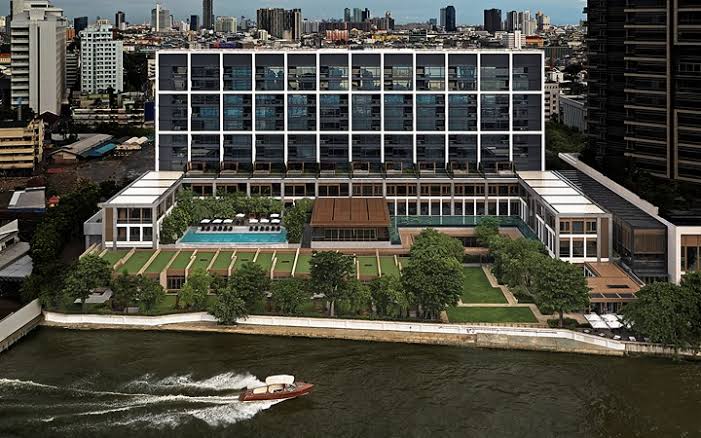
Capella Bangkok riverside building and water, with every room facing the Chao Phraya River
Bangkok · Thailand

Capella Bangkok

Riverside intimacy · 2026 Global No.2

It rose from third place in 2025 to second in 2026. Every room, suite, and villa faces the Chao Phraya River, with floor-to-ceiling windows drawing the calm of the water indoors. Its signal of luxury is not scale but personal hosting synchronized with the rhythm of the river. In a sensory-overloaded city like Bangkok, it chooses to subtract.

9.0Design
9.5Service
9.0Privacy
8.5Wellness
9.5Sense of Place
Editorial Overall9.1 / 10
2026 List · No.2
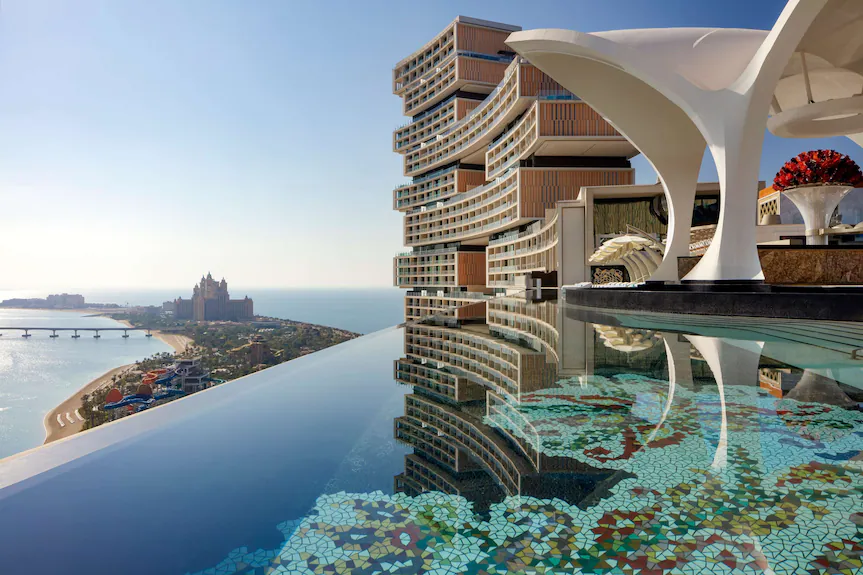
Atlantis The Royal stepped towers and sky bridge, Dubai, designed by KPF
Dubai · UAE

Atlantis The Royal

Architectural spectacle · 2026 Global No.4

KPF's stepped massing naturally separates hotel from residences, while sky bridges and terraces connect the two towers, forming a "screen"-like silhouette on the Dubai coastline. It is an extreme sample of luxury as a shareable event: maximal, photogenic, deliberately hard to ignore. When "spectacle" becomes the baseline, how much marginal value does spectacle have left?

9.5Design
9.0Service
7.5Privacy
9.0Wellness
8.0Sense of Place
Editorial Overall8.6 / 10
2026 List · No.4
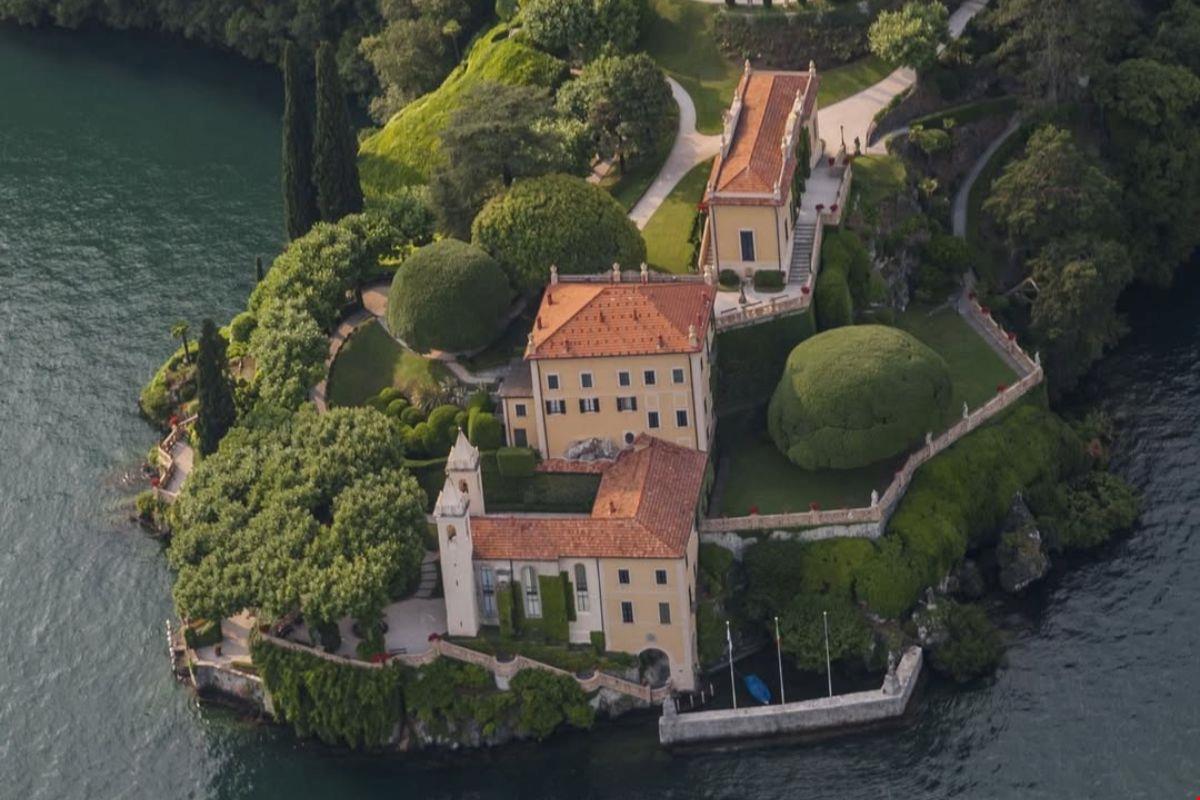
Passalacqua Lake Como villa and terraced gardens
Lake Como · Italy

Passalacqua

A villa as a private world · 2026 Global No.5

The world's No.1 in 2023; still fifth in 2026. An 18th-century historic villa with seven acres of terraced gardens stretching from the village down to the lake. Gardens, art, architecture, and a sense of family ritual weigh far more than scale. Its promise is not spectacle but the illusion of being welcomed into an extraordinary private home.

9.5Design
9.5Service
9.5Privacy
8.0Wellness
10Sense of Place
Editorial Overall9.3 / 10
2026 List · No.5
Aman Tokyo washi-lantern lobby, designed by Kerry Hill Architects
Tokyo · Japan

Aman Tokyo

Urban stillness · Controlled sensory input

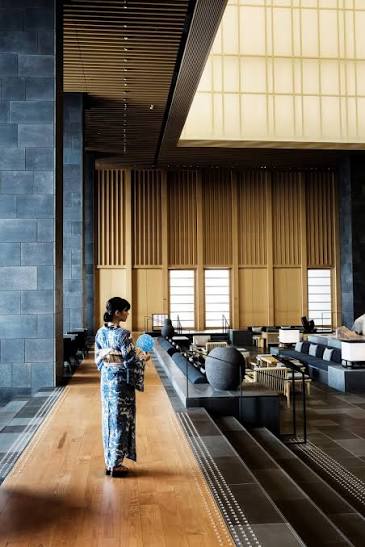
It occupies the top six floors of the Otemachi Tower. Kerry Hill's lobby soars nearly 30 meters, recreating the inner structure of a Japanese paper lantern with washi paper and wooden frames—40 meters long, 11 meters wide, spanning six floors. Its signal of luxury is controlled sensory input: moving from extreme urban density into a room deliberately turned down. With "deep rest" now a trend, Aman Tokyo offers a product category that already existed.

9.5Design
9.0Service
9.0Privacy
9.5Wellness
9.0Sense of Place
Editorial Overall9.2 / 10
Quiet Luxury
Mandarin Oriental Bangkok riverside exterior, a legendary hotel opened in 1876
Bangkok · Thailand

Mandarin Oriental, Bangkok

Service as institutional memory · 2026 Global No.10

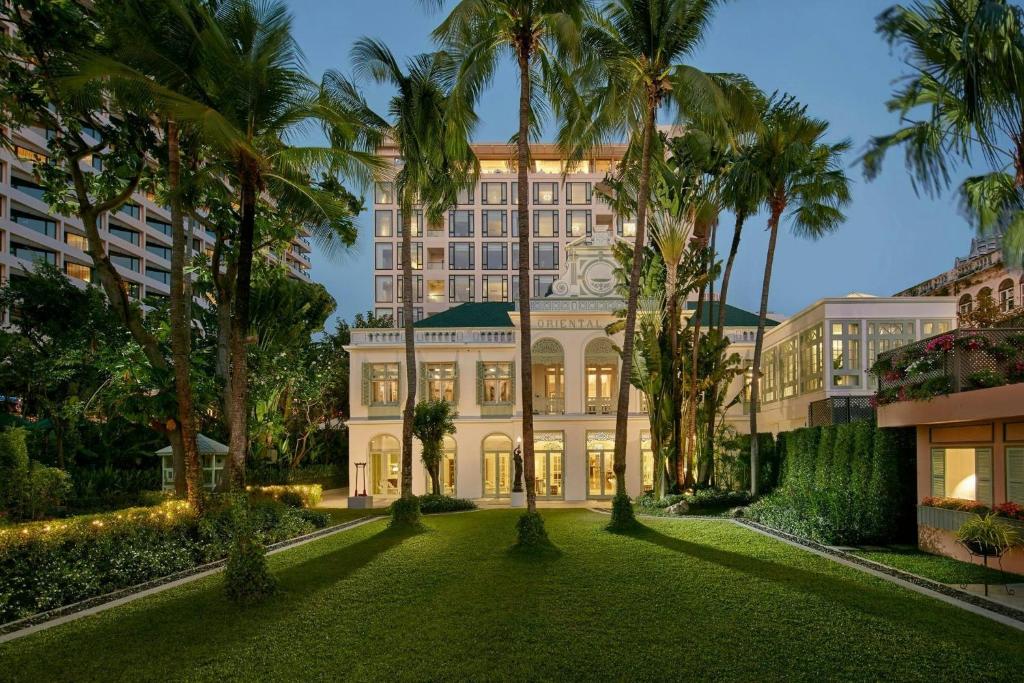
A riverside legend opened in 1876, where continuity, literary associations, and highly rehearsed service are the product itself. It ranks tenth on the 2026 list, but its historical weight in the single category of "service philosophy" is almost irreplaceable. Its heritage here is not decoration; it is the expectation that the house knows how to receive guests.

9.0Design
10Service
8.5Privacy
9.0Wellness
9.5Sense of Place
Editorial Overall9.2 / 10
2026 List · No.10
The Leela Palace Udaipur lake palace architecture and lake surface
Udaipur · India

The Leela Palace, Udaipur

⚠ Flagged: a test case for privacy architecture

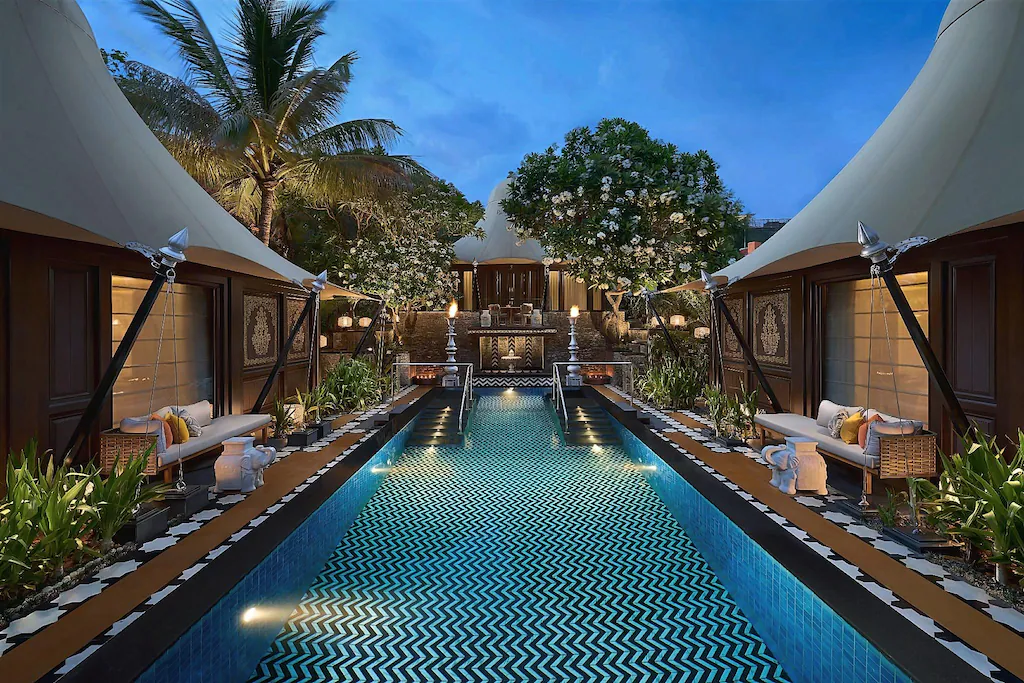
It appears in this dossier not as a recommendation but as a necessary contrast. The January 2025 incident and the 2026 court ruling make it impossible to discuss "privacy in luxury hotels" without it. The architecture and Pichola Lake views still belong to the tradition of heritage luxury, but the fact that "a master key entered an occupied room within seconds" exposes a structural flaw: when SOP and culture collide, which side holds the final word?

9.0Design
6.5Service
5.0Privacy
8.0Wellness
9.5Sense of Place
Editorial Overall7.6 / 10
Doubt · Privacy Ruling
The Pfister Hotel Romanesque Revival exterior, Milwaukee, opened in 1893
Milwaukee · USA

The Pfister Hotel

An archive of suspense: how a rumor becomes an operational variable

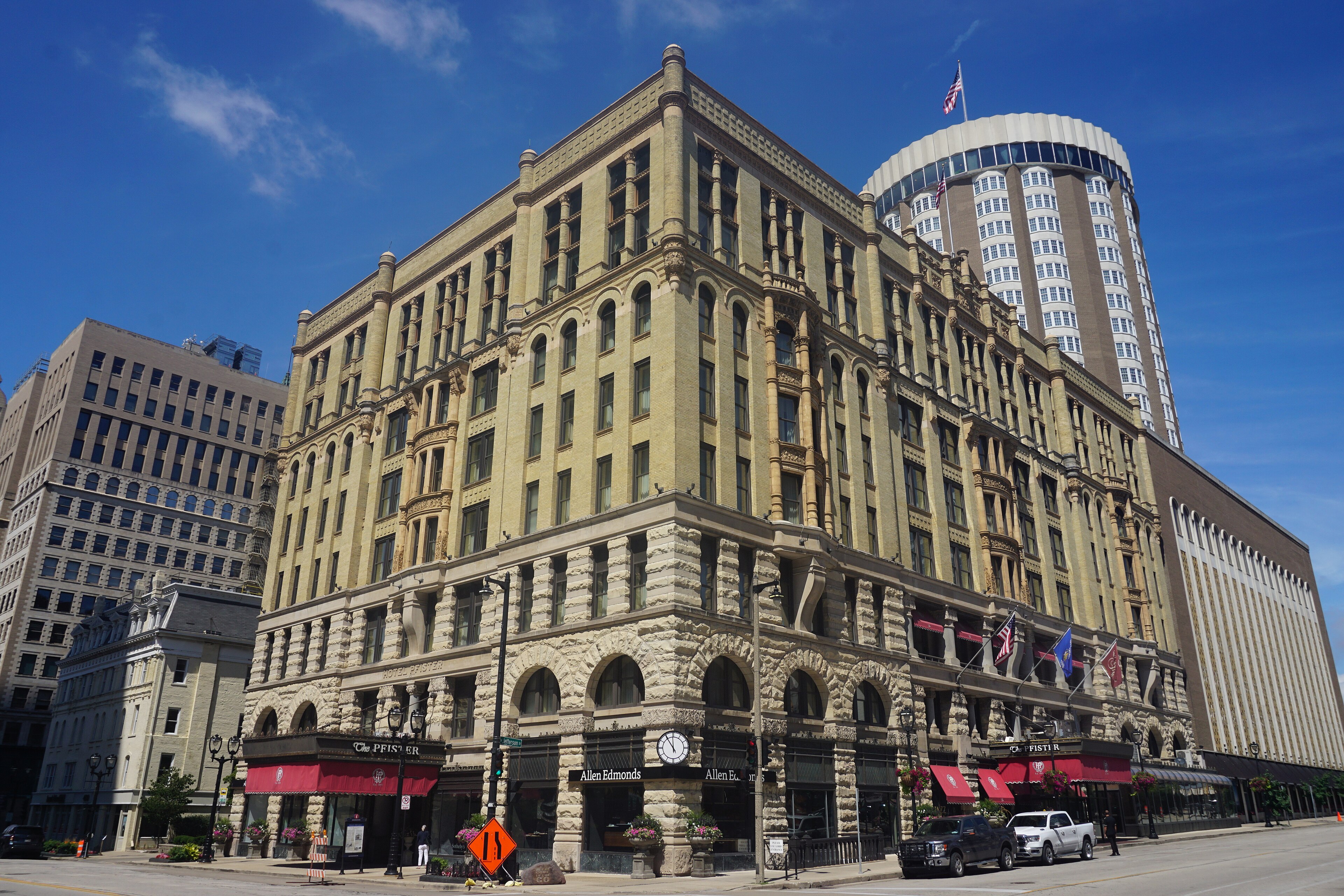
Opened in 1893 with a Romanesque Revival facade by Henry C. Koch, it is a historic landmark in downtown Milwaukee. Its role in contemporary sports culture comes more from another label: the "haunted" hotel widely discussed by MLB players. This is not a proven supernatural event, but a folklore sample retold so often that it has produced real behavioral consequences. The doubt is not whether ghosts exist, but that the rumor itself has become a genuine variable in guests' lodging choices.

8.5Design
8.0Service
7.5Privacy
8.0Wellness
9.5Sense of Place
Editorial Overall8.3 / 10
Doubt · Folklore and Behavioral Evidence

How to read the scores: five dimensions, each scored 1–10: architecture and design, service philosophy, privacy, wellness, and sense of place. The scores are subjective editorial judgment based on public positioning and publicly presented product concepts; they cannot replace on-site inspection, guest surveys, official star ratings, or booking recommendations. World's 50 Best rankings are noted only where applicable, and that list is itself one perspective, not a universal verdict.

03 / The Four Schools

Four Arguments for Modern Luxury

There is no single formula for luxury. Some places stage spectacle; others make restraint, cultural context, or almost invisible service their entire meaning.

① Quiet Sanctuary

Design Language
Natural materials, negative space, low-stimulus color, and acoustic design. The space itself actively reduces the amount of information.
Service Philosophy
Attentive but never intrusive. The best service is the kind a guest cannot point to the exact moment it happened.
What It Sells
Rest, privacy, and control over one's own attention.
The 2026 Risk
"Deep rest" needs credible evidence; atmosphere and copy alone are not enough.
Design Expression
9.2
Service Delivered
9.0
Outlook Resilience
9.5
Privacy Delivered
9.4
Newsroom Rating9.3

② Grand Heritage

Design Language
Historic texture, ritual, craft detail, and "collected" interiors. Time itself is a material.
Service Philosophy
Consistency and institutional memory. The house knows how to receive guests—and has known for a hundred years.
What It Sells
Continuity, belonging, and a story you can live inside.
The 2026 Risk
Tradition can ossify into performance; when service becomes a repeated script, heritage is only scenery.
Design Expression
9.3
Service Delivered
8.8
Outlook Resilience
8.2
Privacy Delivered
8.4
Newsroom Rating8.7

③ Experiential Spectacle

Design Language
Monumental forms, dramatic vistas, immersive facilities. The building is an event first and a residence second.
Service Philosophy
High-energy orchestration. The job of service is to make every moment worth photographing.
What It Sells
Novelty, social currency, and scenes that can be remembered and retold.
The 2026 Risk
Scale dilutes intimacy; when spectacle becomes the industry baseline, its marginal value declines.
Design Expression
9.4
Service Delivered
8.6
Outlook Resilience
7.8
Privacy Delivered
7.0
Newsroom Rating8.2

④ Design-led Intimacy

Design Language
Local architecture, art collections, few rooms. Spatial scale is deliberately limited so it can be fully perceived.
Service Philosophy
Personal hosting and local knowledge. Staff are hosts, not process nodes.
What It Sells
Discovery, scarcity, and a feeling of "being allowed close."
The 2026 Risk
Exclusivity cannot be an excuse for miscommunication; scarcity is no reason for opacity.
Design Expression
9.6
Service Delivered
9.2
Outlook Resilience
8.8
Privacy Delivered
9.0
Newsroom Rating9.2

Four Promises · Four Guests

On the same bed sleep different needs
SchoolDesign LanguageService PhilosophyCore Offering2026 Risk
Quiet SanctuaryNatural materials, negative space, low stimulusAttentive but never intrusiveRest, privacy, a sense of control"Deep rest" needs evidence, not just atmosphere
Grand HeritageHistoric texture, ritual, craftConsistency and institutional memoryContinuity, belonging, storyTradition can ossify into performance
Experiential SpectacleMonumental forms, dramatic vistasHigh-energy orchestrationNovelty, social currencyScale dilutes intimacy
Design-led IntimacyLocal architecture, art, few roomsPersonal hosting and local knowledgeDiscovery, scarcity, closenessExclusivity cannot excuse miscommunication
04 / The Price of Rest

When "Deep Sleep" Is Written onto the Balance Sheet

The next luxury frontier is not about having more, but about controlling how life feels.

From the Infinity Pool to the Clock Inside You

The most notable signal in the Global Wellness Institute's 2026 trends report is not another new facility category, but that the language of wellness tourism is shifting from "indulgence" to "recovery." The first trend, "Cocooning Wellness," points to closer, simpler, more protected short retreats seeking a "nervous-system reset"; the second, "Urban Recovery Travel," turns 48 to 72 hours of urban recovery into a designable product.

This dovetails exactly with the movement in ultra-luxury hotels. When a hotel can sell darkness, silence, controlled temperature, expert attention, and weeks of uninterrupted time, what it is actually selling is a designed pause. This is not literal hibernation, nor is it evidence that a hotel can extend your lifespan. But it points to a real structure of demand: if wealth can buy isolation from the sources of fatigue, then "rest" is no longer a free physiological process, but a service that must be priced, managed, and proven.

And the risk lies right here. The market is chasing "longevity," but credibility matters. A wellness program can make people feel better; it cannot claim to have changed the trajectory of aging merely because it uses the word "longevity." The luxury hotel's position in this transaction is delicate: it can sell the conditions for recovery, but not a guarantee of recovery. The former is hospitality; the latter is medicine.

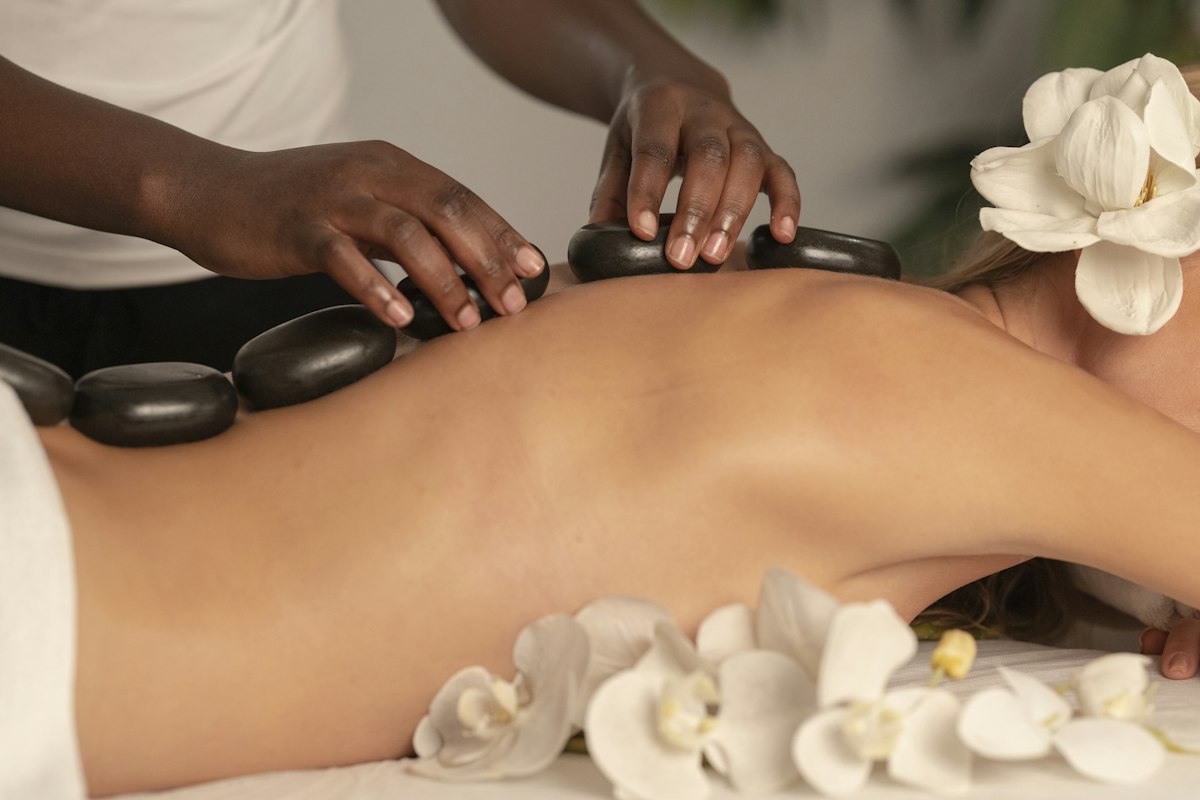
Low-light wellness space and quiet-room atmosphere
"Deep rest" is turning from one item on the spa menu into the product architecture itself. Image is atmospheric, not a specific venue.
05 / Folded Legends

Ghosts, Marketing, and the Unverified Floor

Ghost narratives in luxury hotels are rarely secret. What is truly notable is not whether ghosts exist, but how an unverified claim gains weight at the operational level.

The Pfister Hotel exterior, Milwaukee
01

The Pfister Hotel
A rumor becomes a logistics variable

Opened in 1893 in Milwaukee, this hotel has long been reported by MLB players to have "anomalous experiences." In 2009, outfielder Carlos Gomez told the Associated Press that he heard noises in his room and his iPod began playing eerie static, so he ran to the lobby wrapped in a towel, saying, "I'm scared to go up there." Bryce Harper's account was more specific: he woke to find his clothes on the floor and the desk moved to the other side of the room, and he checked whether the door was still locked.

During the 2025 National League Championship Series, Teoscar Hernandez's wife switched hotels with him after hearing claims of paranormal activity; Mookie Betts chose to stay in an Airbnb rather than the team-designated Pfister. These accounts cannot be used as evidence that ghosts exist, but they are behavioral evidence.

Verifiable · Behavioral level
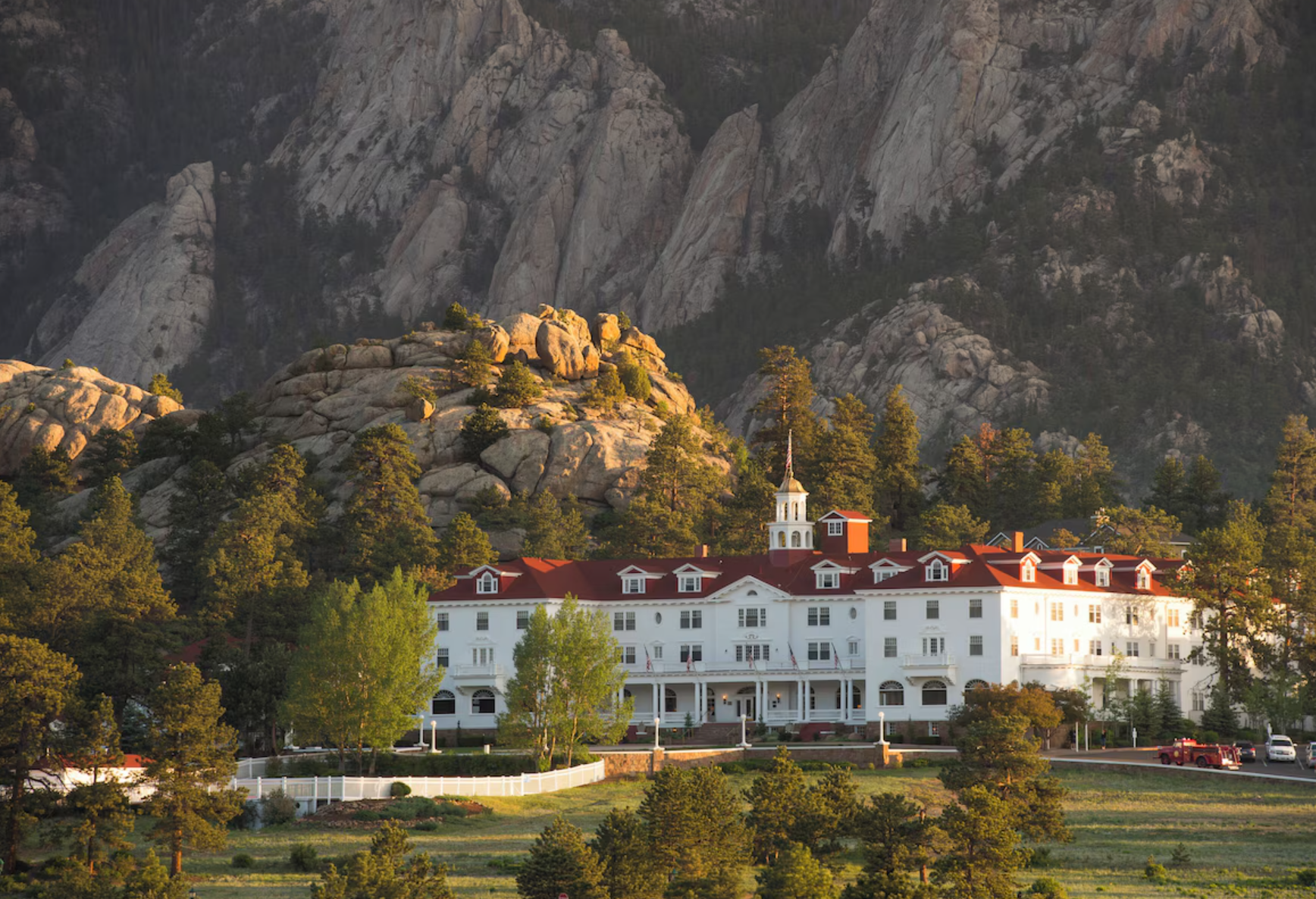
The Stanley Hotel mountain exterior, Estes Park, Colorado
02

The Stanley Hotel
A lifespan bound to a classic text

This mountain resort in Estes Park, Colorado, has a publicly documented literary history with Stephen King's The Shining. But the lore surrounding Room 217—the 1911 gas explosion, the ghostly housekeeper said to have returned to work, the night King walked those corridors—has been retold so often that it forms an almost independent narrative system.

The Stanley case shows that when a legend is bound to a classic text, its lifespan can far exceed any renovation cycle. The hotel doesn't need to prove anything; it only needs not to deny it too hard.

Cultural folklore · not supernatural evidence
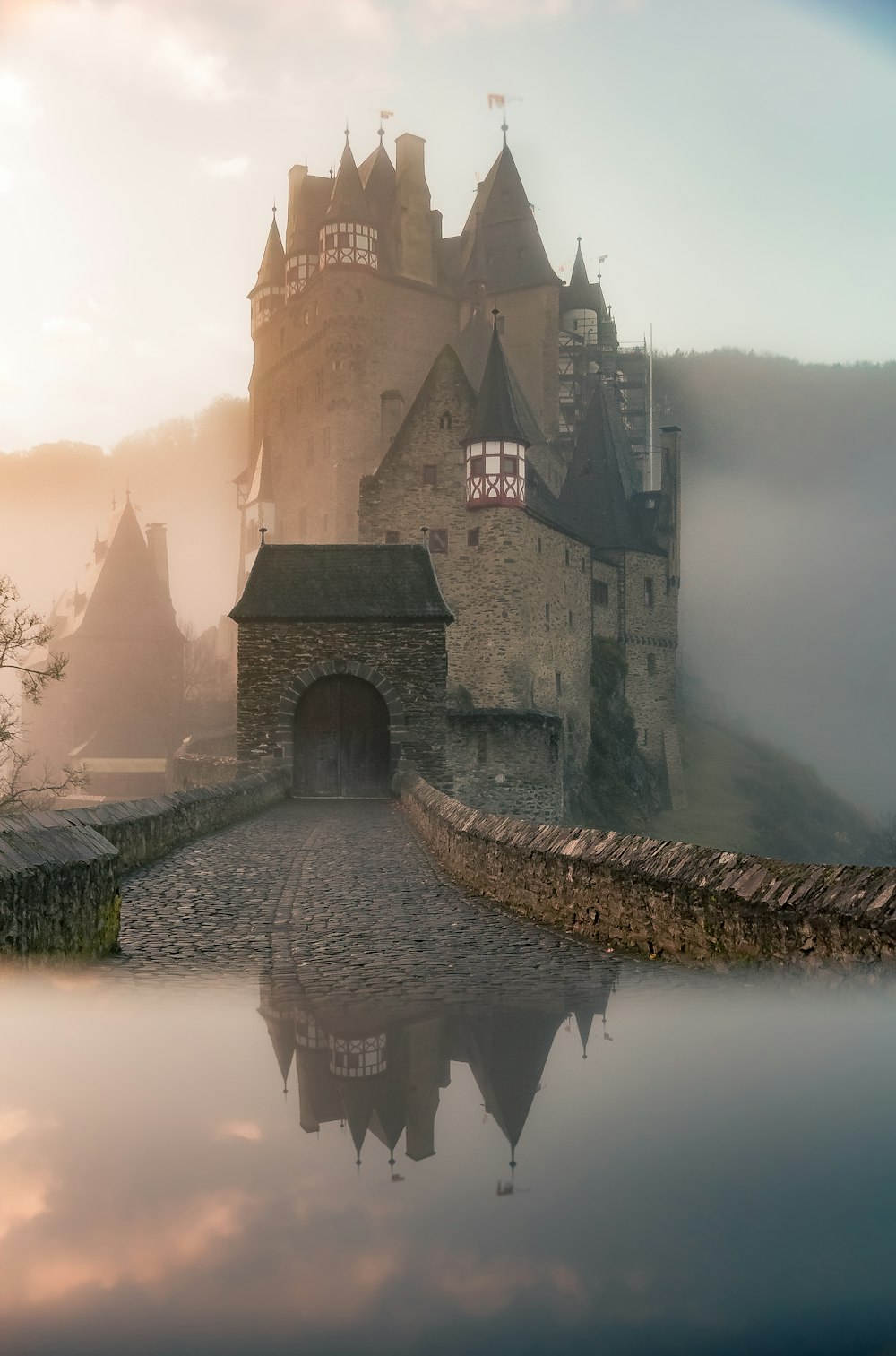
Atmosphere of nighttime forest mist and building silhouettes
03

The "Secret Horror Park"
A claim that cannot be traced

On the Chinese-language internet and in some English-speaking communities, a claim has long circulated: that certain leading luxury hotels are secretly building horror-themed parks. We searched planning notices, regulatory records, listed-company disclosures, and mainstream media reports and found no reliable evidence to support this broad claim.

It differs from the first two samples in traceability: the Pfister legend can be traced to player testimony, team decisions, and alternative lodging; the "secret horror park" cannot be traced to any verifiable planning document, regulatory record, or credible first-hand account. Within our editorial framework, it is classified as an insufficiently verified circulating rumor.

Unverified · for reference only
06 / Editor's Note

Rest Is Not Longevity, but the Distance Between Them Is Being Shortened by Commerce

If you can take away only one judgment from 2026, it is this: the most expensive asset is moving from marble to attention.

A Promise Kept Is What Luxury Is

The ultra-luxury hotel industry in 2026 presents an uneven picture. On one hand, the top of the World's 50 Best is still held by hotels that take the sense of control to its extreme: the residential retreat of Rosewood Hong Kong, the riverside intimacy of Capella Bangkok, the private-world illusion of Passalacqua. Without coordinating, they all sell the same thing—a room where the outside world cannot make demands on you, at least for a while.

On the other hand, the Leela Palace Udaipur master-key case, the White Coast Milos permit dispute, and the impact of the Epstein files on the industry's reputational structure remind people that the sense of control has never been distributed equally. Guests believe they are buying control: over the room, over the boundaries, over the narrative of the experience. But the master key, the loosely calculated building coefficient, and the old guest list remind people that beneath the surface of luxury, control has never been allocated symmetrically.

The wellness and longevity trend adds a layer of philosophical weight to this picture. When hotels begin selling "deep rest," "nervous-system reset," and "recovery protocols," they are in fact responding to an older desire: resistance to time as something that gets used up. But resistance is not reversal. A hotel can offer a room where time seems to ask nothing of you—that is the highest-tier product it can honestly sell. It cannot sell time itself.

If there is one judgment worth taking away from 2026, perhaps it is this: the most expensive asset in luxury hospitality is shifting from marble and views to "undisturbed attention." And the value of that asset depends precisely on whether it is delivered rather than merely claimed.

Reading Room

Sources and Further Reading

01
Times of India — Udaipur Leela Palace privacy caseReported January 11, 2026; consumer court ruling dated December 16, 2025.
02
ProtoThema — Milos White Coast building permit reportOctober 23, 2026; citing the Greek National Transparency Authority (NTA) report.
03
AP News — Thomas Pritzker resigns as Hyatt executive chairmanFebruary 17, 2026; admitted his ties to Epstein were "poor judgment."
04
Time Out — The World's 50 Best Hotels 2026September 16, 2026; the full list and an explanation of the judging mechanism.
05
Global Wellness Institute — 2026 Wellness Tourism TrendsMarch 27, 2026; Cocooning Wellness, Urban Recovery, and the longevity credibility warning.
06
KPF — Rosewood Hong Kong project pageTower design notes and architectural photography.
07
gooood — Aman Tokyo / Kerry Hill ArchitectsLobby washi-lantern structure and spatial photography.
08
Wikimedia Commons — The Pfister HotelHistorical exterior and interior photography, including the 1893 opening record.